
In part one and two of our placement special, we covered searching and applying for opportunities. Once you have made it through the initial part of the selection process, employers use a range of tools and methods to assess further whether you would be a good fit for the opportunity and their organisation. In the final part of our placement FAQs, we answer your questions about online tests, interviews and assessment centres.
What online tests do employers use?
This varies depending on the type of internship/placement and the individual employer, but common tests include numerical and verbal reasoning, situational judgement tests as well as personality or work style questionnaires. They sound scarier than they are, and with a bit of practice, they are nothing to worry about.
How can I prepare for online tests?
Download our psychometric test guide for some further information about the different types of test and how to prepare effectively for each. Then get practising on our Careers Zone 24/7, and if you feel you need further practice, follow the links to additional practice sites in the guide.

While social distancing rules are in place, what should I expect from interviews and assessment centres?
Since March 2020, employers have adapted their assessment methods, and most have replaced face-to-face interviews and assessment centres with remote options, such as telephone and video interviews and virtual assessment centres.
How can I prepare for telephone and video interviews?
Although a telephone or video interview might feel more informal, your preparation needs to be equally thorough. Start by working through the tips and commonly-asked questions in our interview guide and use our interview simulator to review and practise interview questions. For pre-recorded video interviews, our handy ShortlistMe tool helps to familiarise yourself with the type of platform employers use and gives you the opportunity to have a few trial runs before your actual interview.
Check your webcam/laptop/phone works in preparation for any video interviews. On the day of your interview, make sure you’re in a quiet space where you won’t be disturbed and speak clearly. Remember that ‘broadcasting skills’ are also important, i.e. positioning of the camera, lighting in the room and on your face. Think about potential visual distractions for the interviewer, e.g. patterns on clothing, wallpaper, background etc. You could stack your webcam/laptop on books to ensure your face is well in shot and to avoid looking down into the camera, which puts your face in shadow. Check out our blog articles on preparing for telephone and video interviews for further tips and advice.
What happens in an assessment centre?
During an assessment centre, you spend between two and seven hours with other applicants and a group of assessors to complete a series of practical exercises as well as individual and group activities. Many candidates feel a little anxious about the prospect of attending an assessment centre, but it’s important to remember that you already have lots of experience of working in a team (e.g. from work, your studies and extracurricular activities) and that an assessment centre is a great opportunity to meet company representatives, ultimately helping you to decide whether a placement with them would be right for you. Researching the different types of exercises can also help you manage your nerves – our assessment centre guide and the information on our Careers Zone 24/7 platform are a great starting point. You can then also search online for feedback from previous assessment centre participants on websites like Glassdoor or student forums.
How do virtual assessment centres work?
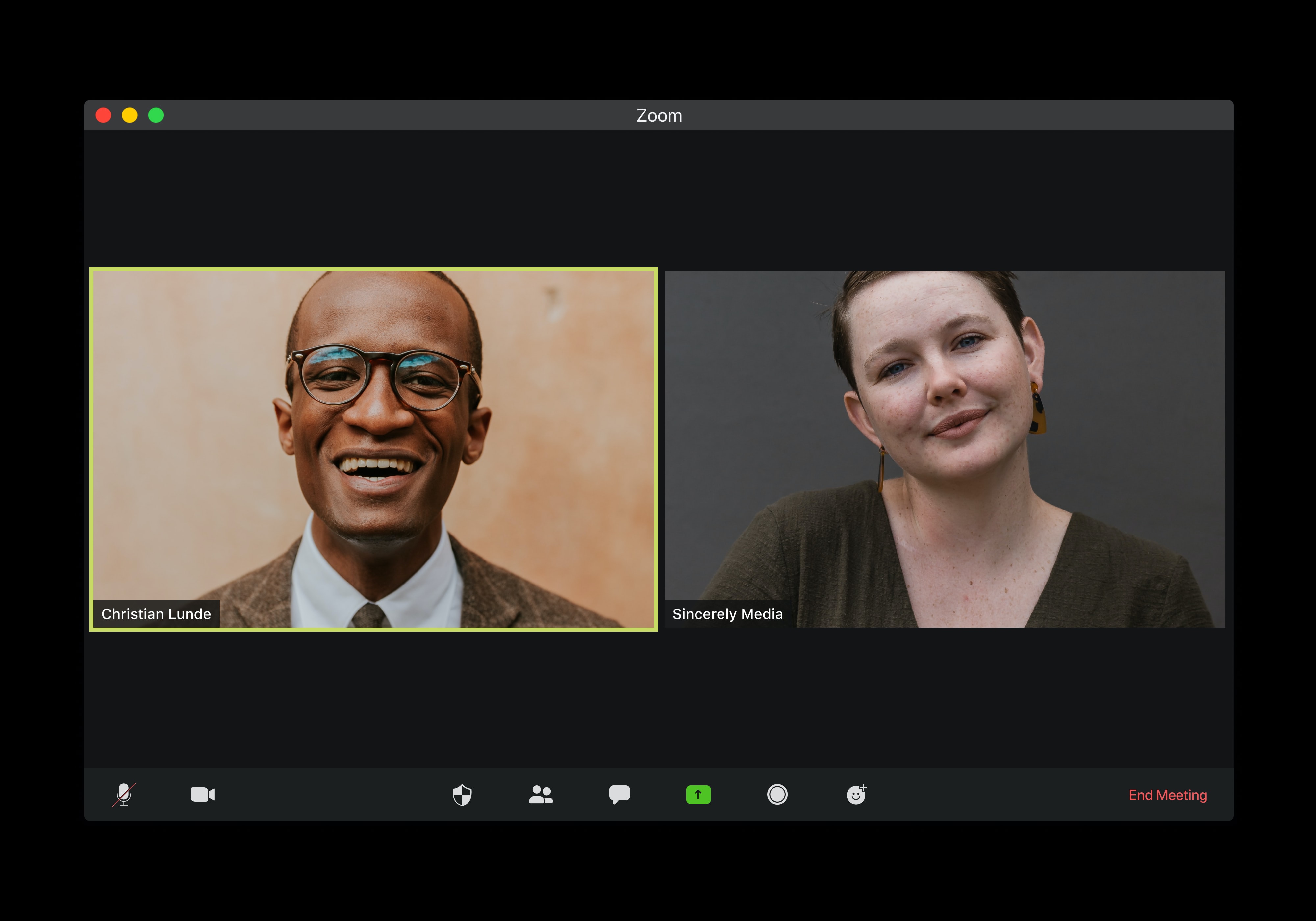
Pretty much the same as face-to-face assessment centres, but instead of taking place on the company’s premises or a hotel/conference centre, companies use software like Zoom or MS Teams. Breakout rooms are used to split candidates up into smaller groups for team-based and individual exercises. While this might initially feel strange or unusual to you, remember that you are gaining experience and confidence in virtual group work through your university studies. Participating actively in these activities during seminars and tutorials for your course will be great preparation for any group tasks during a virtual assessment centre. Our video guide to virtual assessment centres is packed full of great advice and further tips.
If you have any further questions that we haven’t answered above, or in part one and two of our placements FAQs, remember that you can get additional help from the placement teams in your faculty and the Careers, Employability and Enterprise Team. Drop us an email to careers@ljmu.ac.uk
 LJMU Student Futures: Careers, Employability & Start-Up Team
[…] where we answer your questions about applying for placements and summer internships, as well as part 3, which looks at online tests, interviews and assessment […]
LikeLike
[…] part 3 of our placement special for our answers to your questions on online tests, virtual interviews and […]
LikeLike